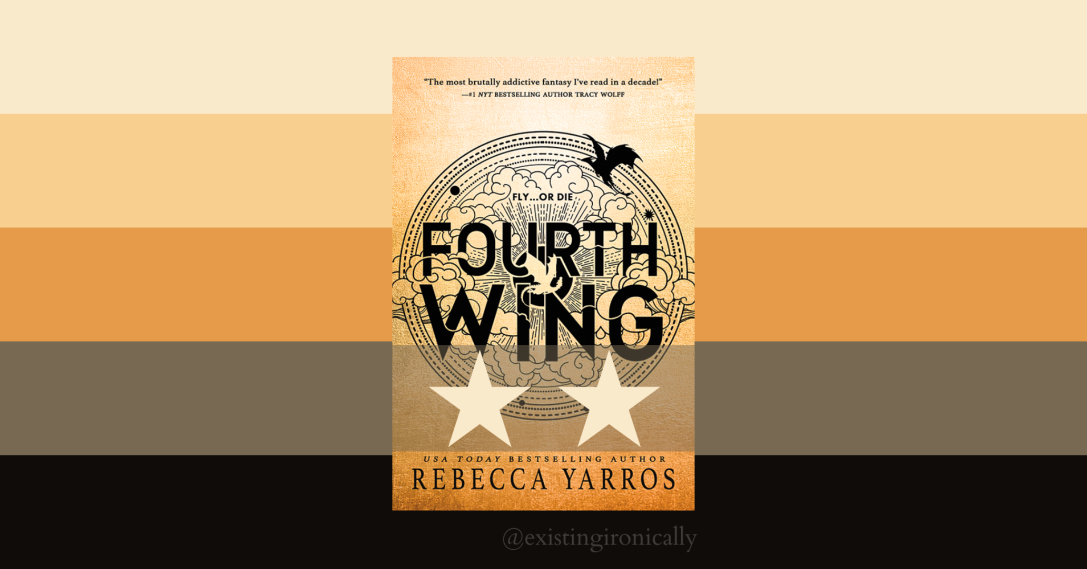
‘Fourth Wing’ Review – The Aesthetics of War

Fourth Wing by Rebecca Yarros is backed by the Tiktok Hype Industrial Complex and I’ve got FOMO.

I am going to make one thing quite clear. This is not an unbiased review. I did not go into this book with an open mind. I typically don’t like this vein of fantasy romance, but normally it’s something I’m willing to push aside until the book begins to speak for itself. I had no such intentions for this book, because I made the terrible mistake of reading the author bio before I read the first word of her novel.

“A second-generation army brat, Rebecca loves military heroes and has been blissfully married to hers for more than twenty years.”

A dark cloud descends over my mind. Lightning strikes in the distance. Thunder rumbles underhead.

I am not going to pretend to understand the current politics of being a military wife. I don’t know where they stand on, like, the current war and sending our #troops overseas to drone strike Yemeni villages or whatever. But my guess is that they really don’t care, because if they did, their association with the military would not a badge of honor trampstamped across the backside of their novel. I cannot pretend to know exactly how Rebecca Yarros feels about the current state of US imperialism, the US industrial complex, or US foreign relations, but I can point to that line in her bio and say it makes me deeply uncomfortable. Because, like, what exactly about “military heroes” do you love so much?

A military hero cannot exist without a military villain. They are on opposite sides of the propaganda machine, one cannot exist without the other, and for every military hero you prop up, there’s another person, or rather sort of person, you kick into the dirt. Did you love the movie ‘American Sniper’, Rebecca Yarros? Is that the kind of military hero you love? Because after it came out, there was a rise in anti-Muslim threats.

Yeah, so basically, military brat writes war novel. But even if the book is more anti-war than a Nixon era hippie protest on the steps of the US capitol, I still don’t think military hero worship is cute, or ever will be. I don’t think supporting the US military is cute, or ever will be. I think we should normalize shaming people who support the military. (Veterans are a different conversation, and one that I am not very interested in having right now.)

So. Is the book anti-war? Well. It’s as much pro war as it’s anti war because it’s a whole lot of nothing.

In Fourth Wing, Violet is conscripted into war college to become a dragon rider. It’s dangerous. A lot of people die doing it. Her mom is a hot shot general who basically killed the parents of a bunch of rebel’s kids who are mandatorily conscripted, so a lot of people at the school want her dead. And at this school, you can just do that. You can just kill people. There are some rules sprinkled in here and there, but we basically see a kid get murked during sparring practice and the murderer just shrugs like “oopsies”.

The entire rules surrounding the school and who’s allowed to kill who when and why so many parents are okay with their kids dying and why the war would be okay with their conscripts dying require a lot of suspension of disbelief. And the logic of who wants to kill Violet when also requires suspension of disbelief. At one point someone remarks that after graduating from War University, people will protect Violet to stay in her mother’s good graces. Why doesn’t that protection extend into the school? Surely, if someone kills her daughter, she’d hate them after graduating. Because Yarros needed the plot, and the plot of this book is, “Violet doesn’t want to die.”

It took me about 60% into the novel before I realized nothing was really happening. This book bamboozles you pretty bad. The first chapter is really long and a ton of it is just blatant over the top exposition. Like, the main character literally recites a textbook to the audience. And then the exposition just keeps going. It doesn’t feel like you’re learning about the world in a natural way to progress the story. It feels like you’re being fed exposition through scenes of Violet lusting over another man and trying not to die. And while “trying not to die” sometimes works as a plot, it just didn’t here.

The focus of this book, besides the endless exposition, was clearly the romance. Xaden. Enemies to lovers. Except not really. Yarros never defines them as ideological enemies, only as circumstantial enemies, which aren’t really enemies. Your mom killed my dad. Okay. Same sort of thing happened in West Side Story, but they were on the same page about it. (JOKE).

Oh, but he wants to kill her. Or rather, she thinks he wants to kill her, but he really doesn’t, and the audience knows that, and he tells her that and she just doesn’t believe it. For the first 30% of the book, they don’t even know each other and he most definitely is not trying to kill her. For the next 70%, they are on the same side. They are instantly horny for each other. I guess it could be fun to read in a trashy when-will-they sort of way, but it does not deliver the enemies to lovers intensity you’d expect. I found it dull.

Oh, not to mention that there’s supposed to be a love triangle in this. It’s not really a love triangle, because Yarros was not interested in making the second love interest a desirable option. He’s the classic childhood best friend, and his name is Dain. He’s a squad leader, so logically, within the narrative, he must have some sort of skill or capacity for usefulness in his day-to-day operations. We see none of it. He’s nice to Violet, but overbearing, and not sexy enough. It seems that he has no desire but to abide by the rules and protect Violet. He’s barely a character. It’s trite.

I have mixed feelings on Violet. On one hand, I am a small girlie described as frail and undervalued because of this. I understand that Violet had a chronic illness, so I’m not gonna pretend to relate on that front or comment on that sort of representation, other than the fact that it was incorporated into the novel in a natural way. I appreciated how, in that sense, she didn’t feel like the typical fantasy heroine. Her flaws were well defined and how she overcame them was realistic enough. She’s easy to project onto. Comma. But.

Xaden’s nickname for Violet is Violence. (I found this 2 be CRINGE!) She has this whole arc about coming into her power or whatever, but a biproduct is that she is very dangerous. She can really hurt people. She’s a weapon. This makes her upset, but Xaden is like don’t be ashamed of being a weapon, be proud to be the weapon. Which like. Nice on paper, in an insular sense of “own your strengths”. Bad when you take a couple of steps away from the paper. Terrible when you remember the author is an army wife.

Interlude: I Discuss the Technicalities.

Prose: This is a voicey fantasy. It’s riddled with modern slang and anachronisms, with the narration resembling that of a contemporary romance rather than a fantasy. I don’t particularly like this! It might be your cup of tea! But it isn’t mine! Mostly because it was common on Wattpad when I was 13 and I don’t like reliving those days. I did my time. I have grazed those fields and am now going on to different pastures.

Editing: There were some weird sentences in here. I have a couple of highlights like “‘You know very well the natural pigment seems to gradually abandon it no matter the length.'” One, that’s not good dialogue. Two, badly constructed sentence. Just say gradates. PLEASE. These sorts of mistakes weren’t super common, but when they were present, they did pull me out of the book.

Pacing: This book gave me a little bit of my old Wattpad buzz, but I’m not sure it was its intrinsic quality as a page turner or if it was because I dared myself to finish it in one day (I didn’t). Either way, I do think it’s bloated. Because this book stakes its central conflict on Violet’s survival, once she ends up in a relatively safe position, it loses momentum. There are clear separate acts in the book, but as one ended, it became increasingly difficult to become invested in the next. If her life will always be in danger, what’s the motivation to keep reading? When will it end? Once I hit the 60% mark, boy howdy, I was ready to throw in the towel. Yes, that’s when the romance ramps up, but too bad the romance is uninspired. Like, relies on 20 questions to be endearing type of uninspired.

Dragons: Personalities but no insights. Their backstories were the stuff of legends, not points of connection. I had no idea what their motivations were. They didn’t feel like characters in their own right, merely support for their riders. Yarros tried to dissuade this idea by showing them to be adversarial or blabber something about how they do what they want by their own rules, but it doesn’t really land. The last series I had to read with magic interlinking sex and also dragons was the Farseer trilogy and I think that it was very brave of Rebecca Yarros to stitch together those ideas, but if she was gonna do that, then she should’ve written a book as good as any in that trilogy.

Vibes: People describe this as fun because there’s sarcasm and banter in it. I wouldn’t call it fun, but if that’s what your idea of fun is, go live your life. I’m not your mom. But if you agree with me, then know that this book is not fun.

Interlude: Fin.

I’m going to do my best to sum up my issues with the war sentiments in this book without spoiling anything or going into too much detail. If you want to go in completely blind, tap out now. If you’d be alright with some mild spoilers, proceed with your own caution.

For 80% of the book, you have no clue why these two nations are at war. There’s a throwaway line about how the enemy isn’t content with their resources and is greedy, but we all know that’s not really a reason wars are fought. Yet, that’s all we get. People are dying left and right, we hear about how taxing this war is, but the only ideology behind it is greed, so it doesn’t really feel real.

When we learn about the rebellion, it’s only about the effects of the rebellion. Because of the rebellion, the marked conscripts are orphaned, they hate Violet, they’re ostracized, etc etc. We don’t really know what the rebellion entailed. We don’t know in what way their parents betrayed the kingdom, or if they agreed with that decision. There are no politics, only the effects of said politics, which is why so much of the book seems hollow.

All of this hollowness culminates in some great reveal about the true reason for the war. Call me stupid, but when the book was done I had to go back and name search the countries to try and piece together why it was such a shocking reveal. We were given so little substantial information, the characters believed in so little to begin with, that it couldn’t have been a subversion. There was nothing to subvert. It turns out those dry textbook clippings were supposed to mean something for the story, but it was really hard to keep my eyes from glazing right over them because I had no reason to care about it because the characters didn’t care about it.

Up until the very end, I’d say the last 10%, I would say that this book was borrowing the aesthetics of war as a vehicle for some story about survival. I already hate that. By the end, when we learn the truth, it’s strange. Yarros is attempting to say nothing without having anything of substance to say. The great wool over the main character’s eyes in this book doesn’t say anything about the morality of war or how propaganda operates. If the book was about morality, the main character would have believed in the morality of a cause worth fighting and dying for (she doesn’t). If the book was about propaganda, we would have seen how the government brainwashed her (they don’t push a narrative, only hide things).

I see people bring up the military-industrial complex when it comes to this book, and I must respectfully disagree. I think that people just like… don’t know what that term means. It’s specific. It refers to the way that the private weapons manufacturers, the government, and the military interact with each other to perpetuate war because it is profitable for all of them. If war, then government get to have weapon and Lockheed Martin get to sell weapon. It’s not about how war is profitable because of its spoils or how people perpetuate war out of greed. The military-industrial complex isn’t about how the oil corporations pushed the US into invading Iraq, it’s about how weapons manufacturers push the US into supporting Israel so that they can get paid for the missiles they supply to them. This isn’t a huge deal, just a distinction that I find important, because I talk about imperialistic themes in media a lot and I like being precise.

In Fourth Wing, weapons are brought up in how they relate to the war, but it has nothing to do with the profitability of manufacturing them. Instead, the reason for the war becomes somewhat of a trolly problem. An us or them sort of thing. It can only exist as a hypothetical, and so still, it says nothing.

One thing the book is weirdly consistent with is the necessity of violence. Violet must become a weapon to survive. Violence against a foreign enemy is required in order to have peace. Either we must fight a warring nation to secure ourselves, we must fight with them to secure the both of us, but either way, we must fight.

This, believe it or not, is actually a form of US military propaganda. (I know you are soooo sick of me by now).

The United States Military justifies its far reach into other countries by parading as the global police force of the world. They believe that safety and security can only be achieved under the threat of violence. They perpetuate war by perpetuating the idea that the world needs violence to be secure.

This is part of the reason I found the “Violence” nickname, and the context surrounding it, to be troublesome. It’s why I found the cavalier nature of the slew of deaths to be worrying. It’s robbing war of context, yet still insisting that it is necessary. Death is necessary, but it isn’t something you should worry about unless it’s coming for you. In that case, it is kill or be killed. This is the nature of things.

Except it isn’t. And the book’s insistence that it is frustrated me. I don’t care if she corrects this in a sequel, it’s bad storytelling. Not only is it careless, it is lazy. If people are dying on page, there should be a good reason, or at least the attempt of a real good reason, other than to create stakes. A character becoming a weapon out of necessity is boring. You may disagree with me. That’s fine. But it’s boring. I am so bored.

So yeah, Fourth Wing. Not it. (I know I talk about a lot of things in this review, but by far, its biggest sin is the terrible exposition. So yeah.)

(I wish this was a silly review poking fun of the fact that you needed magic to use a pen or other weird convoluted aspects of the worldbuilding, but depictions of the military and war in media are much too important for me to disregard. Sorry I’m like this. I’ll find something silly soon.)

For more writing on imperialism and military propaganda in media: see my Black Adam review.
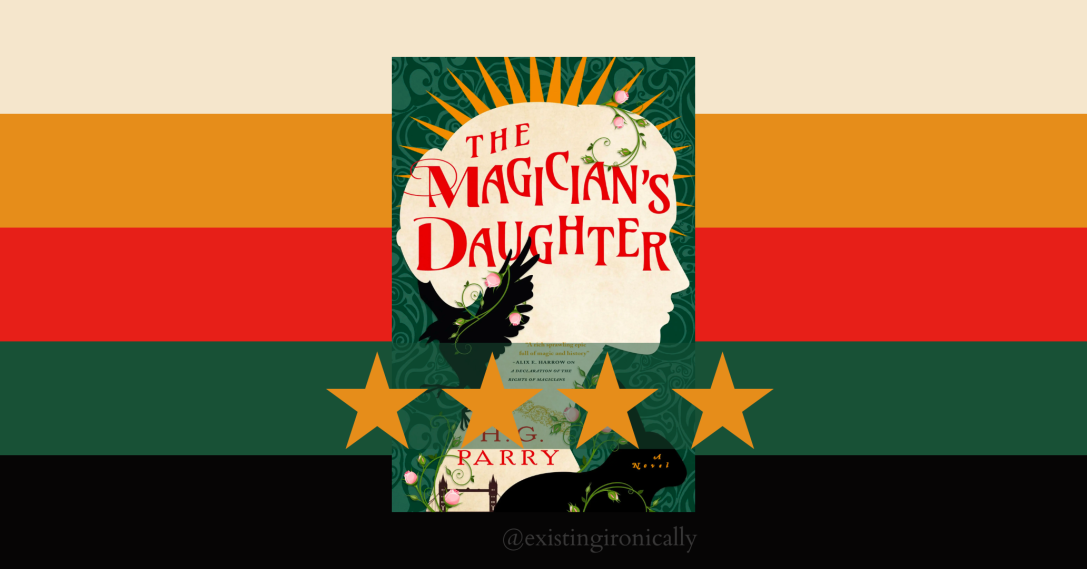
‘The Magician’s Daughter’ Review – Warm and Witty

Many thanks to NetGalley and Redhood Books for the arc of The Magician’s Daughter by H.G. Parry. Had fun with this one.

The novel follows Biddy, a sixteen-year-old who washed ashore an isolated and secret magical island as a baby and was raised by the mage who inhabits it. Though she loves her home, she’s grown restless with solitude. When she finally gets the chance to visit the real world, it’s under less-than-ideal circumstances. Her guardian is in danger, magic is in a crisis, and through adventure, she is forced to confront the truth of what she’s been told her entire life.

Right now, “cozy fantasy” is beginning to pick up steam. I’d describe it as fantasy that is more comforting than isn’t, sort of domestic and something that’ll leave you warm. The Magician’s Daughter isn’t precisely a cozy fantasy, but it is very comforting. It’s infused with love and whimsy. As the kids say, the vibes are on point. They make the reader feel as if they’re reading a fun middle-grade fantasy, but for adults. Most witty adult fantasies are adventure/quest novels such as Stardust or The Princess Bride, but The Magician’s Daughter is more limited in scope.

The book plays close to its 19th-century United Kingdom setting, commenting on both its mythologies and historical shifts. The reflections on womanhood and sexism were interesting. Having a heroine who isn’t interested in romance was a good angle for this story, one that allows it to delve more deeply into other commentaries. It touches dark elements and isn’t afraid to confront ugliness, but does so with care and in a way that isn’t offputting. The reader feels safe.

The characters are lovely to be around and the world is easy to slip into. If anything, maybe a lot of the characters are a bit too similar and interpersonal conflict is too easily resolved. If their arguments were more abrasive, the storyline would be more interesting, but then a huge chunk of the appeal would be lost. These characters love each other and this is a story that highlights the good rather than explores the bad.

The prose is lovely and sharp without being too much. Biddy’s monologue has a distinctive voice and the rest of her world is infused with personality. The tone is perfect for the story. In fact, the tone sets the foundation from which all other expectations are built. And so, the tone, the character voice, and the descriptions, all layer beautifully and cohesively in a way that compliments rather than clashes. This work is delicate, but Parry succeeds.

The plot isn’t anything special, but it doesn’t need to be. The magic system, worldbuilding, politics, mythology, and characters are the clear story elements that shine. The plot attempts to string the reader along by offering mysteries to be solved and lies to be revealed, but truly the reason to get to the end is that the reader wants to see all of the characters end up okay and out of danger. In that way, I can appreciate its simplicity. The few attempts to subvert or complicate the plot and story didn’t really pay off.

I really like The Magician’s Daughter, almost to an embarrassing degree. I’d forgotten how much I am enchanted by whimsy-adjacent fantasy. But this was a great reintroduction to that genre, the strange combination of a high-stakes fantasy novel with a low-stakes tone and lovable characters. It was a great palette cleanser after reading Assassin’s Quest by Robin Hobb, I can tell you that much. If you enjoy witty fantasy, particularly those set in this setting, I’d recommend The Magician’s Daughter.

Ranking the 18 Classics I Read in 2022

Somehow, “Classics” was my second most read genre in 2022, right after Fantasy. To be honest, I read a lot of short ones and they added up. I find reading classics helpful for my personal development. Older books from different eras, which have withstood the test of time, allow me to think about literature differently. They flex my brain muscles. Sometimes.

I try to get through a couple every month, and usually just read whatever ends up in my lap. Also, I run a book club and try to chuck a couple of classics in there. I’ll continue to do that in 2023, but also I’m making a commitment to conscientiously read more diversely, not only with Classics but Fantasy as well. I’m so preoccupied with catching up that, often, I forget to reflect on why the most popular classics reached that status. I thought I was doing a good job, but looking back on the year… yeah I have a ways to go.

This ranking is in order of personal enjoyment, but if I think a book is bad, I will share why. These books are considered classics per The Storygraph’s database. There are a couple of other books I would personally qualify as classics that did not make the list, but alas, I have decided to abide by a rigid system of classification. Be sure to look up any content warnings if you decide to pick any of these up.

Also, be warned that there are quite a few spooky stories in here. This year I tried writing something in that genre and knew I had to become well acquainted with the gothic/spooky/monster vibes. I asked around for recommendations, and most of what was given to me happened to be the #classics.

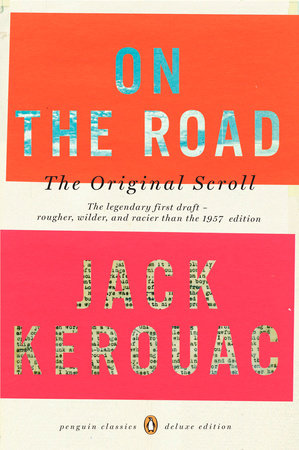
18. On The Road by Jack Kerouac

I have a full review of this one on GoodReads, but man, this book blows. I chose to read it because I’m actually one of the cringiest people alive. I heard it was an inspiration for Supernatural (yes, the TV show) and also I’m assuming a source of inspiration for the musical The Mad Ones. I have not seen The Mad Ones but this song is on repeat in my brain constantly (my favorite version on Spotify). And so, I thought I was receiving some sort of divine nudge from the universe to read it. Or, at the very least, I was curious.

As Truman Capote most eloquently described Jack Kerouac’s work, “That’s not writing, that’s just typingwriting.” I picked up On The Road because it seemed like a short read, not a huge investment, but it seemed to drag on forever. It was indulgent in how much it depicted, especially its racism and sexism. For how irrational and adventurous the main characters were, I found much of it to be incredibly dull. Within 50 pages, we can surmise the point of the book, and yet there’s more left. Most of the interesting ideas are left by the wayside in favor of long ramblings from the main character or second hand recollections of exploits by the supporting characters. I hated most of the people in this book and did not care about them. The Americana free spirit vibes were the primary driving force attempting to keep the narrative together, and although it was vivid and fresh at times, it could not overcome the book’s pitfalls.

I go more into what On The Road does right, how its unfocused nature ruins any point it’s trying to make, and compare it to Breakfast at Tiffany’s in my GoodReads review. But it’s safe to say that I was not a fan.

17. The Murders in the Rue Morgue by Edgar Allen Poe

I read three Poe short stories in preparation for spooky season, and I cannot call myself a fan of any of them. I might be reading the wrong sorts of works from him, but alas.

The Murders in the Rue Morgue by far was the worst of the three. Poe should stay away from murder mysteries. The introduction in which the detective explains how he uses logic to step through an issue, although dry, I actually found very enjoyable. Then we get into the actual mystery and it all falls apart. The clues aren’t intriguing, the list of suspects and their motives are poor, and the mystery is unsatisfying. Extreme violence is used for shock value, and the mystery culminates in one of my least favorite tropes. This story left a bad taste in my mouth.

If you like mysteries, maybe give it a go? Or you should do yourself a favor and read a Christie instead.

16. The System of Dr. Tarr and Professor Feather by Edgar Allen Poe

I have no strong feelings. It was all vibes, but none of them were particularly strong. There is a pretty consistent sense of dread throughout reading it, which peaks nicely at the end. It just isn’t very imaginative. A so-so story.

15. The Imp of the Perverse by Edgar Allen Poe

Ah, the best of the Poe stories. Imp of the Perverse is a manic short. The setup is interesting as it explores self-destructive impulses through metaphor. It actually gives you something to chew on and both succeeds in creating a sense of horror and dread while exploring it in an unconventional way. I could have better appreciated it if more was told through story than explanation of the metaphor, but it still does well.

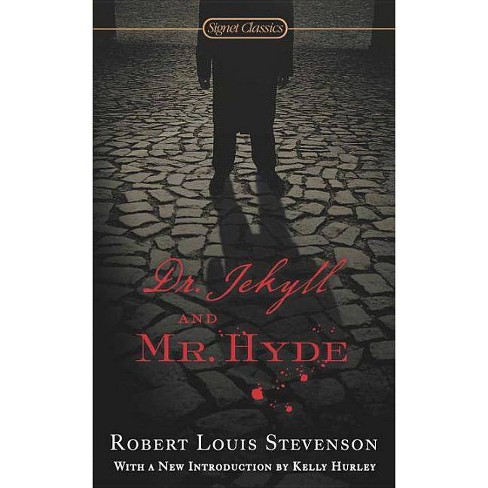
14. Dr. Jekyll and Mr. Hyde by Robert Louis Stevenson

I read this book because I found a Signet Classics copy for one dollar at a library book sale and thought it would look cute next to my Signet Classics copy of Phantom of the Opera. The cover is horrendously ugly (it’s the same one to the left). Once again, it was a short read so I thought I’d give it a go.

The premise, the concept of the split self, is compelling. But, this is a big but, the setup is lackluster. The way the story unfolds lacks tension and intrigue. It’s structured almost as if it’s a mystery, but we already know the mystery of it, so it’s not really a mystery. It’s just boring to wade through, as the actually Dr. Jeckyll and Mr. Hyde are not featured as much as they really should be.

13. Treasure Island by Robert Louis Stevenson

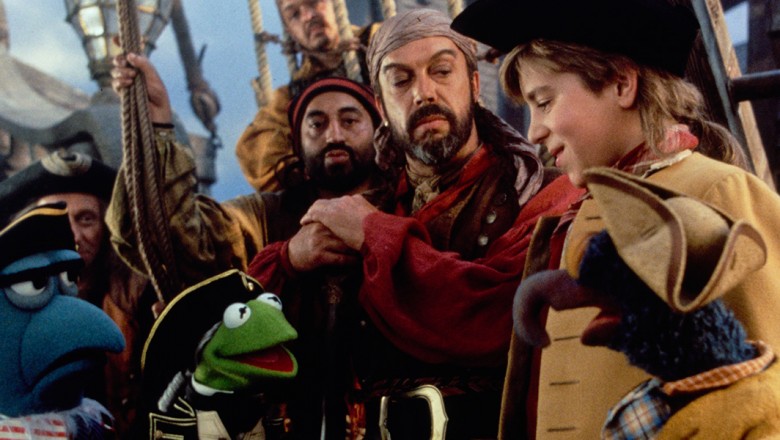
Read this one because I decided to go two for two on Robert Louis Stevenson. Treasure Planet and Muppet Treasure Island are both adaptations I regard with nothing but the upmost fondness. So, when I opened Treasure Island, I expected to find the beating heart of those two films that I find so dear. It certainly is not what I got.

Treasure Island is a boyish adventure. Many adaptations make the material more compelling by giving it a sense of tenderness, sort of a found family vibe. But the original lacks those relationships. It’s swapped out for a sense of danger and adventure and villainy. It just isn’t for me.

I will say, there are some raw lines in there. This book basically invented the pirate stereotype, and while dead men don’t bite, Stevenson gave his pirates plenty of bite.

12. Dracula by Bram Stoker

This is where I begin to think the books are enjoyable, and I looked forward to getting through them. I would place these at “middle of the road”, though.

I am very sorry to the Dracula fans out there. I don’t think it’s a bad book. I liked the characters and found myself very invested in their wellbeing. There were portions of the story when I paid rapt attention to every word and held my breath, hoping that the characters would pull through.

It’s a little weird to read Dracula. Pop culture has warped our understanding of the source material. All of the major and ghastly revelations of the book are now common knowledge. Dracula is a vampire? Wow? Real shit? You’re meaning to tell me that he’s a vampire? Really? My familiarity with the mythos of Dracula definitely colored my reading experience, I cannot lie. It felt like a lot of explaining and beating around the bush. If I could go in completely blind, I’m sure it would’ve been a much more intriguing read.

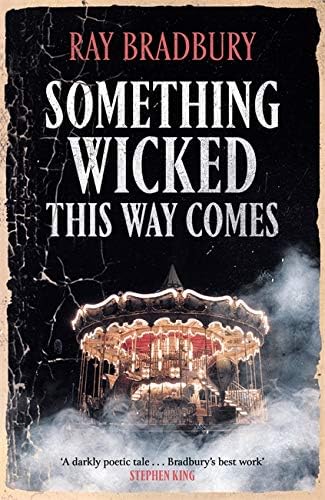
11. Something Wicked This Way Comes by Ray Bradbury

This was a roller coaster. I’m not a fan of Fahrenheit 451, so I wasn’t sure how I’d fare with another Ray Bradbury. This book is good, though I found it very hot and cold. Once again, like Treasure Island, the adventure parts and the boyish danger of the novel was boring. But there were some scenes, little nuggets of conversation, that were so deeply personal and interesting that I wished I could spend forever in them. The book is at its most fascinating when concerned with the nature of humanity. The vibes are immaculate and the prose gave the story a great sort of texture. Sometimes the novel loses sight of what makes it good, and it feels like it’s slipping off the rails, but it comes back just in time to keep you engaged.

10. The Legend of the Sleepy Hollow by Washington Irving

We’re getting more into what I enjoyed now.

This short story is all vibes. Fall vibes and spookiness. The prose was bright and colorful and the short story goes on just long enough to keep you from growing restless. It’s a fun read. No substance, but I enjoyed myself.

9. Utopia by Thomas Moore

I read this one because I found a really nice vintage copy at a library sale. It really throws a wrench in my Storygraph stats because now I have this random outlier of a book that was published in 1516. It’s funny how many of the social problems described at the beginning are still somewhat relevant today. The greed of man, innit?

The rest of the book is then dedicated to outlining a satirical utopian society. Were all the solutions presented good? Of course not. But. I will not lie. I found the description of this fake fictional society interesting. If such a society truly existed, would people behave in this manner? This would not be the way to create a true utopia, but are there any ideas from this text we could harvest to make it so? It’s a short read, and I found it compelling.

8. Much ado about Nothing by William Shakespeare [My May Book Club Pick]

Not many thoughts on this. Shakespeare is the GOAT, but nothing about this particularly stood out to me. Read it because it’s my bestie Em’s favorite Shakespeare. His verse is always firing on all cylinders.

Also I didn’t know Keanu Reeves was in the Keith Branagh adaptation until I Googled for pictures. And wow, Denzel Washington, Emma Thompson, and Michael Keaton too. Going on my 2023 watchlist.

7. Hamlet by William Shakespeare [My May Book Club Pick]

And this is where I start to consider these classics great.

Like I said, Shakespeare is the GOAT. Hamlet pulled at me in ways that tragedies are meant to. I didn’t enjoy it as much as I did Romeo and Juliet but it was still a great listen/read. I recognized a lot of the famous lines and they’re even better in context, though it still managed to surprise me because I went in as blind as you could possibly be. Most of the surprises came from the convoluted logic that shapes the plot, but alas, that’s what keeps it interesting, no?

6. Beloved by Toni Morrison [My October Book Club Pick]

Increadibly, incredibly, harrowing. Toni Morrison crafts a narrative unlike any other. I don’t even know what I can say about Beloved that would be insightful. It weaves together such a complicated textile of emotions and commentary and horror. I also went into this book blind, and it just wore away at me until I thought there’d be nothing left. But, alas, the ending is good. As a cohesive work, it’s just… very potent. It’s meant to be confusing, but that stylistic choice only strengthens the narrative. A well deserved Pulitzer winner.

5. A Single Man by Christopher Isherwood [My January Book Club Pick]

I may be gassing this one up too much because it was one of my first reads of 2022 and I was a little too excited to get to it. But it’s good. It’s more of a novella, detailing a day in the life of a gay man in 1962. And man, he packs a lot into that one day. It’s very frank, at times refreshing, and sometimes teeters next to stream of consciousness. It uses its space well. It can become a little strange, but I think people are weird, and I’d rather engage with oddity than drivel.

4. Frankenstein by Mary Shelley [My December Book Club Pick]

Stream Frankenstein by Rina Sawayama

Once again, I don’t think there’s much that can be said that hasn’t already been said. I wasn’t sure what exactly to expect from Frankenstein, as its adaptations often take liberties, but I was far from disappointed. Shelley’s prose is clear and straightforward. Her desolate tale follows a man who sought the impossible without thought of consequences and suffered them harshly. The strife of his creature is one laden with a peculiar sense of empathy. It’s impossible to remain unmoved. If Frankenstein had simply chosen to be besties with the creature he made, would he be in that entire mess? I don’t think so.

3. The Left Hand of Darkness by Ursula K. Le Guin [My March Book Club Pick]

Ursula K. Le Guin is my personal GOAT. I read five of her books this year. This is the only one Storygraph considers a classic, but my favorite was The Dispossessed and I consider that a classic as well.

The Left Hand of Darkness is often regarded as one of the great works of science fiction, an insight into the false construction of binaries and an exploration of gender. And it succeeds greatly, mostly through the raw power of homoerotic tension. What can I say.

Many of Le Guin’s works start off slow, and that’s why I’m a little hesitant to place this higher, but cohesively it’s a fantastic work. Le Guin is one of the greatest authors of the 21st century, mostly because as a genre author she has an incredible understanding of how to utilize allegory and metaphor. Her introduction to this book is how I fell in love with her mind. She just gets it.

2. And Then There Were None by Agatha Christie [My August Book Club Pick]

Oh, Christie slayed. I don’t think this is a murder mystery in any traditional sense of the word. Usually, I’d critique how the motives were established, the suspects were profiled, the clues presented, and if there was a satisfying conclusion. This book throws all of those conventions out of the window. We know that everyone is guilty, the question, then, is who is the killer. A group of unconventional people is trapped on an island, and they all begin to die off one by one until there are none left.

By the end of the book, it’s less about solving the mystery of the killer and more about the characters desperately trying to survive. It’s about the alliances they make, how they turn on one another, how their desperation grows. It’s engaging in a way any other murder mystery can’t attempt because it’s half psychological thriller. It’s part horror. Christie does some great ensemble work with the cast, which is perfect because the premise relies on the strength of the characters. A fantastic read.

1. Pride and Prejudice by Jane Austen]

The 2005 film adaptation of this book psychologically changed me. So I must read the original, and boy oh boy, it did not disappoint. Jane Austen gets to the point clearly and concisely, artfully crafting bright and compelling characters caught in a whirlwind of miscommunications and unfortunate circumstances. The tension between Elizabeth and Darcy is iconic for a reason, and I fear I may never read another romance that rivals it. In its name, Pride and Prejudice, is a delicate see-saw between the flaws of the main pair, but it’s never too frustrating or lame. The book is simply wonderfully constructed and executed, and I can think of no other classic romance that is more deserving of its legacy.